
Collaborative post
An accessible home is a safe home for anyone who needs a little extra help and support, whether due to disability, advancing age, or other health issues, and you know what/ it is something you can achieve in even the humblest of homes – it is not the preserve of big commercial buildings or care homes that have been designed with accessibility from the get-go.
With that in mind, let’s take a look at a few things you can do to make your home more accessible right now, should you need to do so.
Start with the Basics: Clear Paths and Safer Spaces
If you’ve ever tried navigating your living room in the dark and stubbed every toe you possess, you already know accessibility starts with simple things: wide, clutter-free walkways and sensible layouts.
A good way to begin is by thinking about your furniture placement, as this is one of the easiest things to change if you need to do so. Are there areas where you or someone else constantly squeezes past a chair edge or sidesteps an unnecessary obstacle? That’s your first clue that something needs to change. You need to arrange furniture so paths are generous and obvious, especially around doorways and hallways.
Next, you need to say goodbye to any trip hazards that are present. Loose rugs, trailing cables, and coffee tables with ninja-level leg stumps? Not ideal. Secure what you keep, remove what you don’t need, and suddenly your home feels spacious, safer, and calmer.
Lighting is often neglected but it really is something that plays a big role in how accessible your home is. Well-lit corridors, stairs, and entrances make your home easier to navigate, especially at night, right? So, be sure to swap dim bulbs for brighter LEDs and throw in a few motion-sensor lights so you’re not fumbling for switches in the dark.
Think About Entrances: Make Coming Home Effortless
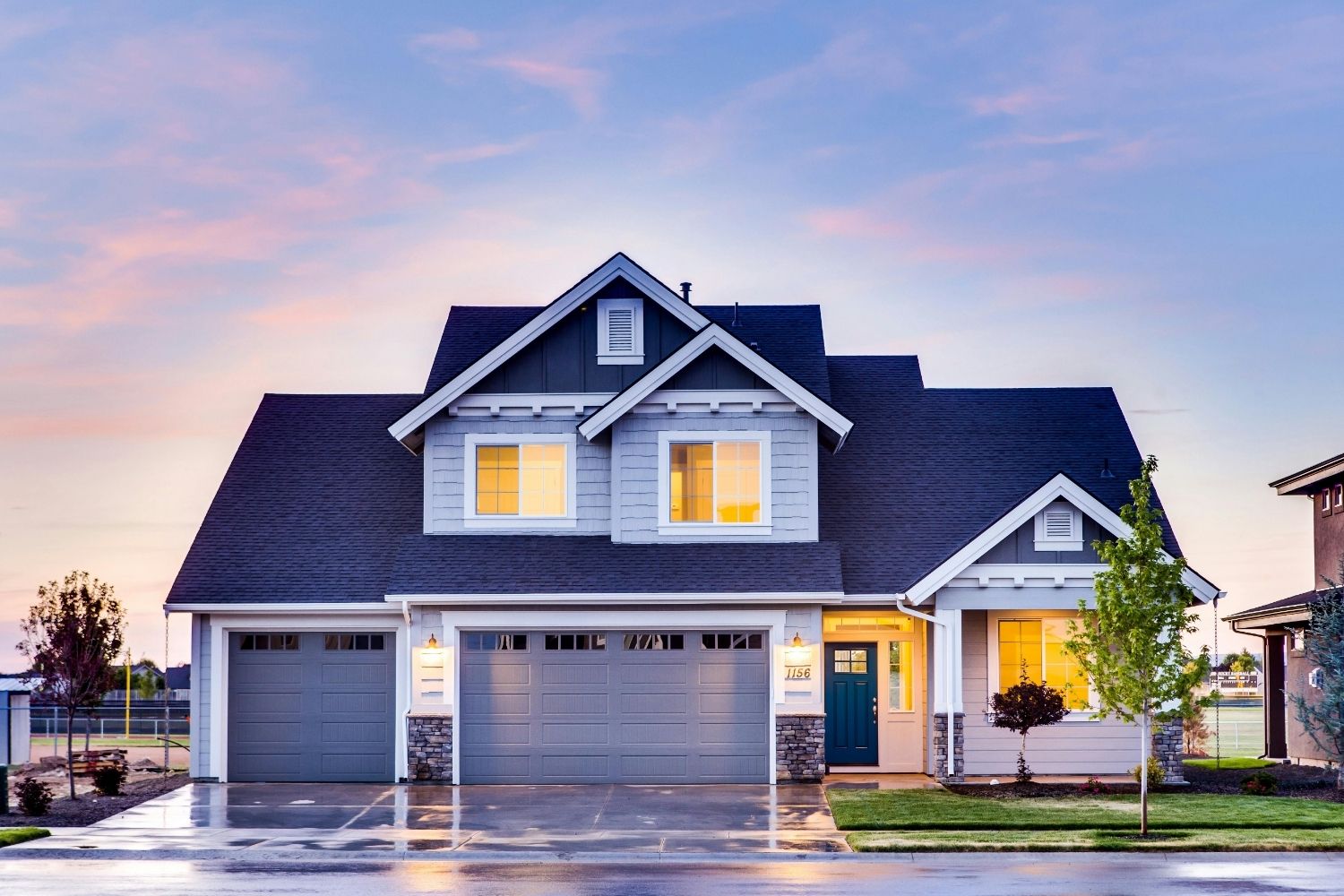
Your front door sets the tone for accessibility right from the start. A step-free or reduced-step entrance is a game changer, especially for wheelchair users, people using walkers, or anyone who struggles with balance.
Ramps are a perfect accessibility solution and you know what? They really don’t have to be bulky or unattractive. Modern designs come in subtle, sleek styles that blend seamlessly with your home’s exterior. Pair them with slip-resistant surfaces and handrails, and you’ve just made your home dramatically easier to enter without compromising on aesthetics.
If you’re renovating, it’s always a good idea to consider widening the front door. This helps not only wheelchairs but also prams, bulky deliveries, or that moment when you’re trying to bring home a new plant that’s roughly the size of a small tree.
Kitchens: Practicality Meets Comfort
Everyone deserves to be able to cook healthy meals for themself without having to crouch, stretch, or precariously reach for ingredients, putting themselves at danger of injury or falls as they do so, which is why accessibility is so important in the kitchen.
Start with storage. Pull-out cupboards and drawers are significantly easier to use than deep shelves. Items come to you, not the other way around. Adjustable shelving helps too, especially if multiple people with different needs live in the home.
Counters at varied heights allow for seated meal prep, which is ideal for people with reduced mobility. Rounded corners on worktops add safety and look intentionally modern.
Oh, and let’s talk taps too. Lever-style or sensor-activated taps are easier to operate than traditional ones, and they have the added bonus of making your kitchen feel distinctly high-tech.
Bathrooms: The Heart of Home Accessibility
If you can only upgrade one room, then you should probably make it the bathroom. It’s where accessibility matters most, and where thoughtful design can completely transform someone’s independence.
For starters: install grab bars. But not the clunky, stainless steel, hospital-looking ones, unless that’s the kind of aesthetic you love, of course, then knock yourself out! Today’s versions come in stylish finishes, from matte black to rose gold, and look more like chic towel rails than safety supports.
Next, you’re going to want to consider flooring. Textured, slip-resistant tiles reduce risk without sacrificing beauty, so they are always a good choice.
Then there’s the bath and shower situation. Traditional baths can be tricky, even dangerous, for anyone with limited mobility. That’s why baths for handicapped users, such as walk-in tubs with low thresholds, built-in seats, and therapeutic options, are becoming increasingly popular. They offer independence, safety, and the luxury of a long, comfortable soak without the stress of climbing in or out.
Showers can be upgraded too. A zero-entry shower (also called a wet room style) eliminates stepping over a ledge and looks gorgeously contemporary. Add a fold-down seat, a handheld showerhead, and shelving that’s reachable without stretching, and you’ll feel like you’ve created a spa that happens to be brilliantly accessible.
Oh, and don’t forget heating. Warm towels, underfloor heating, and good ventilation keep bathrooms feeling cosy and safe.
Bedrooms: Comfort, Calm, and Convenience
Your bedroom should feel like a sanctuary and not an obstacle course that is threatening to trip you up at every turn, right? So, start by ensuring there’s enough space around the bed for mobility aids or carers if needed.
Think about bedside access too. Switches and plugs positioned at reachable heights help massively. Bedside tables with drawers keep essentials close without clutter.
Some people choose adjustable beds, which allow gentle elevation for reading, circulation support, or easier transfers. And if you struggle to reach wardrobe rails, pull-down hanging systems are absolute heroes, they let you access your clothes without stretching or balancing on wobbly stools.
Soft, even lighting makes the room feel peaceful and helps prevent night-time mishaps. Motion-sensor night lights are particularly handy for late-night bathroom trips.
A more accessible home is a safer home and a home that truly embraces who you and your family are and what you are going through so that you can truly participate in family life and all it has to offer. Make it happen!